
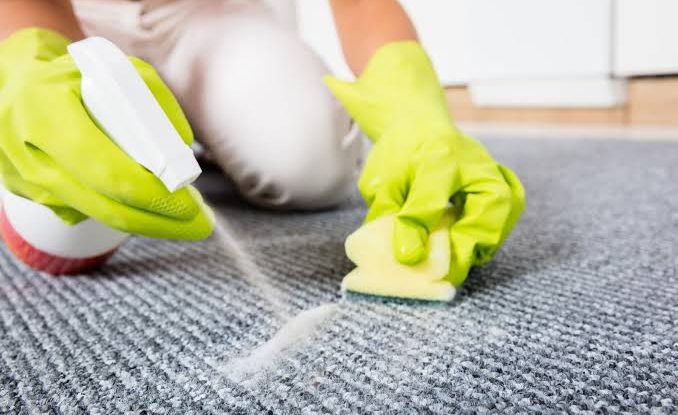
Carpets bring warmth, comfort, and a touch of elegance to Kenyan homes, from cozy apartments in Kilimani to spacious bungalows in Karen and Runda. But anyone who has lived with a carpet for more than a few months knows the truth: stains are inevitable. Between red soil tracked in during the rainy season, spilled chai, muddy paw prints from the family dog, and the occasional crayon masterpiece from a toddler, Kenyan carpets face a unique set of challenges shaped by our climate, lifestyle, and household habits.
This guide walks you through everything you need to know about tackling the most common carpet stains found in Kenyan homes, using practical, affordable, and often locally available solutions. Whether you are dealing with a fresh spill or a stubborn stain that has set in over weeks, you will find actionable advice here.
Why Carpet Stains Are a Bigger Deal in Kenya
Before diving into removal techniques, it helps to understand why Kenyan homes are particularly prone to certain types of carpet stains:
Red murram soil: Much of Kenya’s road network, especially in peri-urban and rural areas, features reddish murram soil that clings to shoes, paws, and tires. This soil contains iron oxide, which can leave deep, rust-colored stains that are notoriously hard to remove once dry.
Rainy season mud: The long rains (March to May) and short rains (October to December) mean muddy footwear is a regular occurrence in many households, particularly those without paved compounds.
Tea and coffee culture: Kenyans drink a lot of chai and coffee, and spills are common, especially in households with young children or during gatherings.
Dust and harmattan-like conditions: Dry seasons bring fine dust that settles into carpet fibers, which can combine with moisture to create stubborn grimy patches.
Cooking oil and ugali splatters: Kitchen-adjacent living spaces mean cooking stains often find their way onto carpets and rugs.
Limited access to specialized cleaning products: While international carpet cleaning brands are available in supermarkets like Naivas, Carrefour, and Quickmart, many households rely on homemade or locally sourced alternatives, making it essential to know which household items actually work.
With that context in mind, let’s get into stain-specific solutions.
General Rules Before You Start
Regardless of the stain type, a few golden rules apply:
- Act fast. The longer a stain sits, the deeper it penetrates the fibers and the harder it becomes to remove.
- Blot, don’t rub. Rubbing pushes the stain deeper into the carpet and can damage fibers. Always blot from the outside of the stain inward.
- Test first. Before applying any cleaning solution, test it on a hidden corner of the carpet to check for colorfastness.
- Use cool or lukewarm water. Hot water can set certain stains, particularly protein-based ones like blood or egg.
- Work in layers. Apply a small amount of cleaning solution, blot, and repeat rather than soaking the area all at once.
Tackling Red Murram Soil and Mud Stains
Mud and murram stains are perhaps the most common carpet nuisance in Kenyan homes, especially during the rainy season.
Step 1: Let the mud dry completely. It sounds counterintuitive, but wet mud smears, while dry mud can be broken up and vacuumed.
Step 2: Vacuum thoroughly to lift as much dried soil as possible.
Step 3: Mix one tablespoon of dish soap (such as Sunlight or Vim liquid) with two cups of lukewarm water.
Step 4: Dip a clean cloth into the solution, wring it out, and blot the stained area gently.
Step 5: For stubborn iron-oxide staining from red soil, add a tablespoon of white vinegar to the soap solution. Vinegar helps break down mineral deposits.
Step 6: Rinse by blotting with a cloth dampened in plain water, then dry with a clean towel or allow to air dry with a fan or open window.
Tea, Coffee, and Chai Stains
Given how central tea is to Kenyan daily life, chai spills are almost a rite of passage for carpet owners.
For fresh spills:
- Blot up as much liquid as possible immediately with a clean, dry cloth.
- Mix one tablespoon of white vinegar, one tablespoon of dish soap, and two cups of warm water.
- Apply the solution with a cloth, blotting from the edges inward.
- Rinse with a damp cloth and blot dry.
For dried or set-in stains:
- Make a paste of baking soda and water.
- Apply the paste to the stain and let it sit for 20–30 minutes.
- Vacuum up the dried residue, then treat any remaining discoloration with the vinegar-soap solution above.
Cooking Oil and Grease Stains
Kitchen-adjacent carpets and rugs often suffer from oil splatters, especially in open-plan homes.
Step 1: Sprinkle a generous amount of baking soda, cornstarch, or even unscented talcum powder directly onto the fresh stain. These absorbent powders draw the oil out of the fibers.
Step 2: Let it sit for at least 15 minutes (longer for deeper stains, even overnight).
Step 3: Vacuum thoroughly.
Step 4: If a greasy mark remains, apply a small amount of dish soap directly to the spot, work it in gently with a soft brush or cloth, and blot with warm water.
Step 5: Rinse and dry as usual.
Blood Stains
Household accidents happen, and blood stains require a different approach because heat sets the protein in blood, making it permanent.
Step 1: Always use cold water, never warm or hot.
Step 2: Blot the stain with a cloth dampened in cold water.
Step 3: Mix a teaspoon of dish soap with a cup of cold water and apply with a cloth, blotting gently.
Step 4: For older, dried blood stains, a paste of cold water and baking soda applied and left for 30 minutes before blotting can help lift the stain.
Step 5: Rinse with cold water and blot dry.
Ink and Pen Stains
Children’s homework sessions and stray biro pens can leave stubborn ink marks.
Step 1: Blot (don’t rub) to remove excess ink.
Step 2: Apply a small amount of methylated spirit or isopropyl alcohol (available at most pharmacies and hardware stores) to a clean cloth.
Step 3: Dab gently at the stain, working from the outside in to avoid spreading the ink.
Step 4: Rinse with a cloth dampened in water and blot dry.
Step 5: For persistent stains, a small amount of hairspray applied and blotted can also help lift ink, as many hairsprays contain alcohol.
Vomit and Pet Accident Stains
With many Kenyan households keeping dogs and cats, pet accidents are a common concern, as are occasional messes from young children or unwell family members.
Step 1: Remove solid material with a spoon or paper towel, taking care not to press it further into the carpet.
Step 2: Blot the area with paper towels to absorb moisture.
Step 3: Mix one part white vinegar with one part water and apply generously to the stain.
Step 4: Sprinkle baking soda over the damp area and let it sit for a few hours or overnight. This combination neutralizes odors as well as lifting the stain.
Step 5: Vacuum thoroughly once dry.
Step 6: For lingering odor, consider using an enzyme-based cleaner, available at pet stores and some supermarkets, which breaks down the organic compounds causing the smell.
Wine, Juice, and Soda Stains
Festive gatherings, birthday parties, and everyday family life often bring colorful drink spills.
Step 1: Blot immediately to absorb as much liquid as possible.
Step 2: Cover the stain with a generous layer of salt or baking soda, which helps absorb the liquid and pigment before it sets.
Step 3: After 10–15 minutes, vacuum up the absorbent material.
Step 4: Mix a solution of one tablespoon dish soap, one tablespoon white vinegar, and two cups of water.
Step 5: Blot the area with this solution, then rinse with plain water and blot dry.
Wax and Gum Stains
Candle wax (common during power outages) and chewing gum can be tricky because they harden into the carpet fibers.
Step 1: Harden the substance further by placing ice cubes in a plastic bag and holding it against the wax or gum for a few minutes.
Step 2: Once brittle, gently scrape off as much as possible using a blunt knife or spoon.
Step 3: Place a clean cloth or brown paper bag over any remaining wax residue and run a warm iron over it briefly. The heat will melt the wax, which the cloth or paper will absorb.
Step 4: For gum residue, a small amount of white vinegar can help dissolve remaining sticky bits.
Dealing with Dust and General Grime
Even without an obvious spill, Kenyan carpets accumulate dust, especially during the dry seasons when unpaved roads and compounds kick up fine particles.
- Vacuum at least twice a week, using a vacuum with strong suction and, ideally, a HEPA filter.
- Every few months, sprinkle baking soda across the entire carpet, let it sit for an hour, and vacuum thoroughly. This lifts trapped dust and neutralizes odors.
- Consider a deep clean every three to six months, either with a rented carpet cleaning machine (available from some hardware and cleaning supply shops in Nairobi) or a professional cleaning service.
When to Call in Professional Help
While most stains can be handled at home, some situations call for professional carpet cleaning services, which are increasingly available in Nairobi, Mombasa, Kisumu, and other major towns:
- Large, deep-set stains covering significant carpet area
- Persistent odors that home remedies cannot resolve
- Delicate or expensive wool and antique carpets that require specialized care
- Stains from unknown substances where the wrong treatment could cause permanent damage
- Carpets that haven’t been deep cleaned in over a year
Professional services typically use hot water extraction (steam cleaning) or dry cleaning methods that penetrate deeper into fibers than home treatments can achieve.
Preventing Stains in the First Place
Prevention is always easier than removal. A few simple habits can significantly reduce staining in Kenyan homes:
- Place doormats at every entrance to trap mud and soil before it reaches the carpet.
- Establish a shoes-off policy at the door, especially during the rainy season.
- Use washable rugs or carpet runners in high-traffic areas like hallways and near seating areas where drinks are commonly consumed.
- Apply a carpet protector spray (such as Scotchgard, available in major supermarkets) to create a barrier against spills.
- Keep a stain-removal kit ready, including dish soap, white vinegar, baking soda, and clean cloths, so you can act quickly when accidents happen.
Frequently Asked Questions
1. What is the best homemade carpet stain remover for Kenyan households? A simple mixture of one tablespoon of dish soap, one tablespoon of white vinegar, and two cups of warm water works well for most everyday stains, including tea, mud, and food spills. It’s affordable, made from ingredients found in nearly every Kenyan kitchen, and gentle enough not to damage most carpet fibers.
2. How do I remove red murram soil stains that have already dried into the carpet? Vacuum away loose, dried soil first. Then treat the remaining discoloration with a mixture of dish soap, white vinegar, and warm water, blotting rather than scrubbing. For deeply set stains, repeat the process two or three times, allowing the carpet to dry between applications.
3. Can I use bleach on my carpet to remove tough stains? It’s best to avoid bleach on most carpets, as it can discolor fibers and weaken the material, particularly on synthetic or dyed carpets common in Kenyan homes. Stick to vinegar, baking soda, and mild dish soap solutions, which are safer and equally effective for most stains.
4. How often should I deep clean my carpet given Kenya’s dusty conditions? For homes in dusty or high-traffic areas, a deep clean every three to four months is advisable. Homes with pets, children, or located near unpaved roads may need more frequent attention, while lower-traffic homes can manage with a deep clean every six months.
5. My carpet still smells after cleaning a pet stain. What should I do? Lingering odors usually mean the stain wasn’t fully neutralized beneath the surface. Reapply a vinegar and water solution, followed by a generous layer of baking soda left overnight before vacuuming. If the smell persists, an enzyme-based cleaner will break down the organic residue causing the odor more effectively than soap-based solutions.
6. Is it safe to use a steam iron to remove wax stains from my carpet? Yes, this is a safe and effective method. Place a clean cloth or brown paper over the wax and run a warm (not hot) iron over it briefly. The heat melts the wax, which transfers onto the cloth or paper rather than staying in the carpet fibers. Avoid direct contact between the iron and the carpet.
7. What should I do immediately after a drink spills on my carpet? Act quickly. Blot up as much liquid as possible with a clean, dry cloth, working from the outer edge of the spill inward to prevent spreading. Avoid rubbing. Follow up with an absorbent powder like salt or baking soda, then treat with a mild cleaning solution once the excess liquid has been absorbed.
8. Are professional carpet cleaning services in Kenya worth the cost? For heavily soiled carpets, delicate materials, or stains that resist home treatment, professional cleaning is often worth the investment. These services use specialized equipment, such as hot water extraction systems, that reach deeper into carpet fibers than home methods, extending the life of your carpet and improving indoor air quality.
9. How can I prevent my carpet from staining in the first place? Place sturdy doormats at all entrances, encourage a shoes-off policy indoors, use washable rugs in high-traffic zones, and apply a carpet protector spray. Keeping a small stain-removal kit on hand also helps you respond quickly before spills have a chance to set.
10. Can vinegar damage my carpet if used too often? White vinegar is generally safe for most carpet types when diluted with water, but it’s wise to test it on a hidden section first, particularly with wool or delicate natural fiber carpets. Avoid using it excessively or at full strength, as prolonged exposure to acidic solutions can, over time, affect certain dyes or fibers.
Conclusion
Carpet stains are simply part of life in Kenyan homes, shaped by our red soil, rainy seasons, vibrant tea culture, and busy family life. The good news is that with the right knowledge and a few affordable household staples, most stains can be tackled effectively without expensive specialized products. Dish soap, white vinegar, baking soda, and a little patience will handle the vast majority of spills, from muddy footprints to chai mishaps.
The key principles to remember are simple: act quickly, blot rather than rub, test any solution before full application, and always work from the outside of a stain toward the center. Combine these techniques with preventive measures like doormats, a shoes-off policy, and regular vacuuming, and you’ll significantly extend the life and appearance of your carpets.
For particularly stubborn, large-scale, or delicate stains, don’t hesitate to call in professional carpet cleaning services, many of which now operate across Nairobi and other major Kenyan towns and offer both affordability and expertise. With this guide in hand, you’re well equipped to keep your carpets looking fresh, clean, and welcoming, no matter what daily life throws at them.