A carpet rarely fails all at once. It deteriorates gradually, one dusty morning, one missed spill, one humid rainy season at a time, until the damage becomes difficult or impossible to reverse. By the time many Kenyan homeowners notice something is seriously wrong, they’ve often missed the window where a professional deep clean could have restored the carpet. Instead, they’re left facing a full replacement, which can cost anywhere from KES 30,000 to well over KES 150,000 depending on size and quality.
The good news is that carpets almost always give warning signs before reaching the point of no return. Learning to recognize these signs, and acting on them promptly, can save you significant money, protect your family’s health, and extend the life of an investment that isn’t cheap to replace. This guide walks through the ten most important warning signs, explains why they happen, and tells you what to do about each one.
Why Timing Matters So Much in Kenya
Kenyan homes face specific environmental pressures that accelerate carpet wear and make early intervention especially important:
Humidity and rainy seasons: Coastal regions and rainy periods create ideal conditions for mold and mildew growth if carpets aren’t dried and cleaned properly.
Dust and dry seasons: Fine dust particles work their way deep into carpet fibers, acting almost like sandpaper against the material every time someone walks across it.
Red soil and mud tracking: Iron-rich murram soil doesn’t just stain, it also carries fine grit that abrades carpet fibers over time.
Delayed access to professional services: In some areas outside major towns, professional carpet cleaning isn’t as readily available, meaning problems can go unaddressed longer than they would elsewhere.
Higher replacement costs relative to income: For many Kenyan households, a full carpet replacement represents a significant expense, making preventive care and early professional intervention especially valuable.
With that context, here are the ten signs that tell you it’s time to call in the professionals.
1. Persistent Odors That Won’t Go Away
If your carpet has a musty, sour, or generally unpleasant smell that lingers even after vacuuming and airing out the room, this is one of the clearest signs that something is wrong beneath the surface.
What’s happening: Odors typically indicate trapped moisture, mold or mildew growth, bacteria from spills or pet accidents, or deeply embedded dirt that has begun to decompose within the fibers and padding.
Why it’s urgent: Odor-causing organisms don’t stay on the surface, they penetrate into the carpet backing and even the padding underneath, and sometimes into the subfloor itself. Left unaddressed, this can lead to health issues, particularly respiratory problems, and may eventually require replacing not just the carpet but the underlying padding as well.
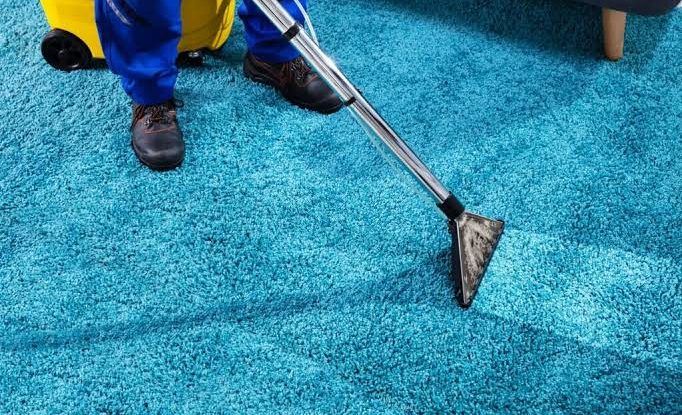
What to do: Professional cleaners use hot water extraction and specialized deodorizing treatments that reach deep into the carpet structure, something home vacuuming and surface cleaning simply cannot achieve.
2. Visible Mold or Mildew Spots
Small dark spots, a fuzzy texture, or discoloration in patches, especially in corners, near windows, or in areas prone to dampness, are red flags for mold or mildew growth.
What’s happening: Kenya’s humid coastal climate and rainy seasons create ideal conditions for mold, especially if a carpet has been wet and not dried thoroughly, whether from a spill, flooding, or high ambient humidity.
Why it’s urgent: Mold spreads. What starts as a small patch can quickly expand across the carpet and even migrate into walls or flooring. Mold exposure is also linked to respiratory issues, allergic reactions, and other health concerns, particularly for children, the elderly, and anyone with asthma or allergies.
What to do: This is not a DIY situation. Professional cleaners have access to antimicrobial treatments and specialized extraction equipment that can address mold at its source, though in severe cases, professional assessment may reveal that replacement is necessary.
3. Carpet Feels Stiff, Crunchy, or Matted
Healthy carpet fibers should feel soft and springy underfoot. If your carpet feels stiff, crunchy, or compacted in certain areas, especially high-traffic zones like hallways and in front of sofas, this is a sign of serious embedded dirt and residue buildup.
What’s happening: Over time, dirt, oils from bare feet, and residue from previous cleaning products can build up within the fibers, essentially cementing them together and losing their natural cushioning texture.
Why it’s urgent: Beyond looking and feeling unpleasant, matted and stiff fibers wear down faster and are more prone to permanent damage. What could have been resolved with a deep clean often becomes irreversible fiber damage if left too long.
What to do: A professional hot water extraction treatment can break down and remove this embedded buildup, often restoring softness and appearance that regular home vacuuming simply cannot achieve.
4. Stains That Keep Reappearing After Cleaning
You clean a stain, it disappears, and then days or weeks later, it’s back, sometimes even in the same spot.
What’s happening: This phenomenon, often called “wicking,” occurs when a stain has soaked deep into the carpet padding beneath the surface. Surface cleaning only addresses the visible portion, while the deeper stain slowly wicks back up to the surface as the carpet dries.
Why it’s urgent: Reappearing stains indicate that surface-level home cleaning methods have reached their limit. The longer this continues, the more the padding and backing absorb the staining substance, eventually making full removal impossible without replacing the padding.
What to do: Professional cleaners can treat stains at the padding level, not just the surface, using deep extraction methods that pull contaminants out from beneath the visible carpet layer.
5. Increased Allergy Symptoms or Respiratory Irritation
If household members, especially those with asthma or allergies, notice increased sneezing, coughing, itchy eyes, or general respiratory discomfort while at home, the carpet could be a contributing factor.
What’s happening: Carpets act as filters, trapping dust, pet dander, pollen, and other allergens. While this is normal to some degree, over time these particles accumulate beyond what regular vacuuming can remove, and the carpet becomes a reservoir that releases allergens back into the air with every footstep.
Why it’s urgent: This is a direct health concern, not just a cosmetic one. Prolonged exposure to trapped allergens and dust can worsen respiratory conditions over time, particularly for children and elderly family members.
What to do: Professional deep cleaning removes trapped allergens far more effectively than home vacuuming, and many professional services use HEPA-filtered equipment specifically designed to improve indoor air quality.
6. Visible Wear Patterns or Fiber Damage in High-Traffic Areas
Notice thinning, flattened, or fraying patches in hallways, doorways, or in front of frequently used furniture? This is a warning sign that dirt and grit are actively cutting into the carpet fibers.
What’s happening: Every particle of dust, sand, or soil trapped in carpet fibers acts like tiny pieces of sandpaper every time someone walks across it. Without regular deep cleaning, this abrasive action gradually wears down and damages the fibers, especially in high-traffic zones.
Why it’s urgent: Fiber damage is often irreversible. Once fibers are worn down or frayed, no amount of cleaning can restore them, the only remedy at that point is replacement.
What to do: Regular professional deep cleaning removes the abrasive grit before it causes permanent damage, essentially acting as preventive maintenance for your carpet’s structural integrity.
7. Discoloration or Dinginess Across the Whole Carpet
If your once-vibrant carpet now looks generally dull, gray, or yellowed, even in areas without obvious staining, this indicates a buildup of ground-in dirt across the entire surface rather than isolated spots.
What’s happening: Fine dust and dirt particles settle uniformly across a carpet’s surface over months and years. Combined with oils from foot traffic and residue from previous cleaning attempts, this creates an overall dinginess that regular vacuuming cannot fully address.
Why it’s urgent: This kind of widespread soiling affects the entire fiber structure, not just the surface color. Left too long, the dirt becomes increasingly difficult to remove and can permanently affect the carpet’s original color and texture.
What to do: A full professional deep clean addresses the entire carpet surface uniformly, restoring color and brightness that spot-cleaning and vacuuming alone cannot achieve.
8. It’s Been More Than 12–18 Months Since Your Last Deep Clean
Even if you don’t see obvious problems, time itself is a warning sign. Carpet manufacturers and cleaning professionals generally recommend professional deep cleaning at least once every 12 to 18 months, more often in high-traffic or high-dust environments common in Kenya.
What’s happening: Dirt, allergens, and residue accumulate gradually and invisibly beneath the surface, even with regular vacuuming. By the time visible signs appear, damage may already be underway.
Why it’s urgent: Waiting for visible problems means you’re already behind. Preventive cleaning on a regular schedule catches issues before they become serious, extending your carpet’s overall lifespan significantly.
What to do: Set a calendar reminder for professional cleaning every 12–18 months, or more frequently for households with children, pets, or carpets in dusty or high-traffic areas.
9. Pet Odors or Stains Despite Regular Cleaning Attempts
If you have pets and notice that odors or stains persist despite regular home cleaning efforts, this is a strong sign that the problem has moved beyond what surface treatments can handle.
What’s happening: Pet urine and other accidents can penetrate deep into carpet fibers, padding, and even the subfloor. The uric acid crystals in pet urine, in particular, are notoriously difficult to fully remove without specialized enzyme treatments, and can reactivate and produce odor whenever humidity rises.
Why it’s urgent: Beyond the unpleasant smell, unresolved pet stains can damage carpet backing and padding permanently, and repeated accidents in the same area (often drawn back by lingering scent) can compound the damage over time.
What to do: Professional cleaners have access to enzyme-based treatments and specialized extraction equipment that can neutralize pet odors and stains at the source, something most household products cannot fully achieve.
10. Family Members Getting Sick More Often
While it may not be the first thing that comes to mind, an unusually dirty carpet can contribute to more frequent colds, respiratory issues, or general feelings of unwellness among household members, particularly young children who spend more time on the floor.
What’s happening: Carpets can harbor bacteria, dust mites, mold spores, and other microorganisms, especially if they haven’t been deep cleaned in a long time. Children and pets, who have more direct and frequent contact with carpeted floors, are particularly exposed.
Why it’s urgent: This is a health and wellbeing issue that extends beyond the carpet itself. A consistently unhealthy household environment can have cumulative effects over time, particularly for young children still developing their immune systems.
What to do: A professional deep clean, combined with a regular cleaning schedule going forward, can significantly reduce the microbial load in your carpet and contribute to a healthier home environment overall.
What Happens If You Wait Too Long?
Ignoring these warning signs doesn’t make the underlying problems go away, it simply allows them to worsen, often until the only remaining option is full carpet replacement. Here’s what “too late” typically looks like:
- Permanent fiber damage that no cleaning method can reverse, requiring replacement rather than restoration.
- Mold and mildew spreading beyond the carpet into padding, subflooring, or even walls, potentially requiring more extensive and costly remediation.
- Irreversible staining where dyes or substances have permanently altered the carpet’s color or structure.
- Odor that becomes embedded in the padding and subfloor, requiring not just carpet replacement but treatment of the underlying floor as well.
- Full replacement costs that far exceed what a professional cleaning service would have cost, often by a factor of five to ten times or more.
The financial logic is straightforward: professional cleaning, done proactively, typically costs a few thousand shillings per room, while full carpet replacement can run into tens or hundreds of thousands of shillings depending on the size and quality of carpet involved.
How to Choose the Right Professional Cleaning Service
Once you’ve identified one or more of these warning signs, choosing the right service matters:
- Ask about their cleaning method. Hot water extraction (steam cleaning) is generally the most effective method for deep-seated dirt, allergens, and stains.
- Check for experience with your carpet type. Wool, synthetic, and blended carpets may require different approaches.
- Ask about drying time. Faster drying reduces the risk of mold developing during the cleaning process itself.
- Request references or reviews from other Kenyan households, particularly those in similar climate conditions to your own.
- Get a clear, itemized quote before committing, so you understand exactly what’s included.
Frequently Asked Questions
1. How do I know if my carpet odor is from dirt or from mold? Dirt-related odors are typically mild and improve somewhat with vacuuming, while mold odors are usually musty, sour, or earthy and persist regardless of surface cleaning. If you also notice visible dark spots or a fuzzy texture, mold is likely the cause, and professional assessment is strongly recommended.
2. Can professional cleaning remove mold from a carpet, or does it need to be replaced? It depends on the severity. Professional cleaners can often treat and remove surface-level mold using antimicrobial solutions and deep extraction. However, if mold has spread extensively into the padding or subfloor, replacement of the affected sections may be necessary for full remediation.
3. How often should carpets be professionally cleaned in a typical Kenyan household? Most professionals recommend deep cleaning every 12 to 18 months for average households, but homes with pets, children, high foot traffic, or located in dusty or humid areas may benefit from cleaning every 6 to 12 months.
4. Is it normal for a stain to come back after I’ve cleaned it myself? This is a common sign that the stain has penetrated into the carpet padding, a phenomenon known as wicking. Surface cleaning only addresses the visible layer, so the stain reappears as moisture from the deeper layers rises back to the surface. Professional deep extraction is usually needed to fully resolve it.
5. Can a dirty carpet actually make my family sick? Yes, carpets that aren’t regularly deep cleaned can harbor dust mites, bacteria, mold spores, and trapped allergens, all of which can contribute to respiratory irritation, allergic reactions, and increased susceptibility to illness, particularly in children, the elderly, and those with existing respiratory conditions.
6. What’s the difference between vacuuming and professional deep cleaning? Vacuuming removes surface-level dirt and debris but cannot reach deeply embedded dirt, allergens, or moisture trapped within the carpet fibers and padding. Professional deep cleaning, typically using hot water extraction, penetrates much further, removing contaminants that regular vacuuming simply cannot access.
7. How much does it typically cost to replace a carpet in Kenya compared to professional cleaning? Professional cleaning generally costs a few thousand shillings per room, while full carpet replacement can range from roughly KES 30,000 to well over KES 150,000, depending on carpet size, material, and quality. Regular professional cleaning is almost always significantly more affordable than replacement.
8. My carpet feels stiff even after vacuuming. What does this mean? Stiffness or a crunchy texture usually indicates a buildup of embedded dirt, oils, and possibly old cleaning product residue that vacuuming cannot remove. This is a clear sign that a professional deep clean, which can break down and extract this buildup, is needed.
9. Are pet urine stains permanent if not treated quickly? Not necessarily, but they become significantly harder to fully remove the longer they sit, as the uric acid crystals penetrate deeper into the fibers and padding. Professional enzyme-based treatments are usually needed for older or more severe pet stains, and prompt attention greatly improves the chances of full removal.
10. Should I try to treat mold myself before calling a professional? It’s generally best to avoid extensive DIY mold treatment, as improper handling can spread spores further into the air and worsen the problem. A professional assessment can determine the extent of the issue and whether treatment or replacement is the appropriate course of action.
Conclusion
Carpets rarely fail suddenly, they deteriorate gradually, giving off warning signs long before the damage becomes irreversible. Persistent odors, visible mold, stiff or matted fibers, recurring stains, increased allergy symptoms, visible wear patterns, overall dinginess, an overdue cleaning schedule, unresolved pet issues, and even unexplained increases in family illness are all signals that your carpet needs professional attention, and soon.
The financial logic here is clear and compelling: addressing these warning signs early with professional cleaning typically costs a fraction of what full carpet replacement would run, while also protecting your family’s health and comfort at home. Waiting until problems become visible and severe almost always costs more, both financially and in terms of the disruption and health risks involved.
If you’ve recognized even one or two of these ten signs in your own home, it’s worth reaching out to a professional carpet cleaning service sooner rather than later. A proactive approach today can save you significant money, extend the life of your carpet, and ensure your home remains a genuinely healthy and comfortable place for your family, before it truly becomes too late.